

What Are Self-Tapping Threaded Inserts and When Should You Use Them?
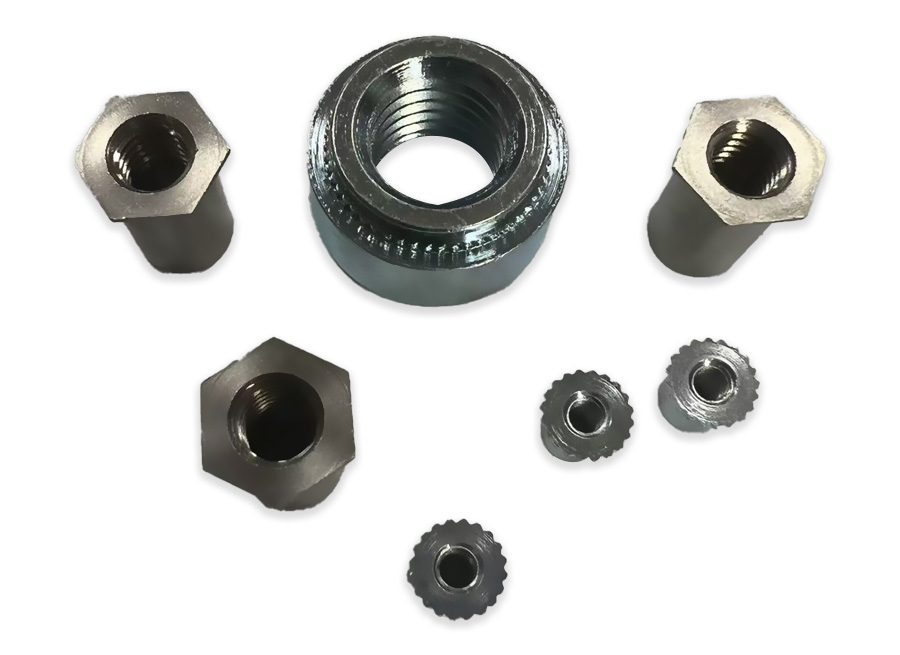
Self-tapping threaded inserts are specialized fastening components designed to create strong internal threads in materials that are too soft, thin, or fragile to support conventional threading. Unlike inserts that require pre-cut threads, self-tapping inserts cut or form their own threads as they are driven into the base material.
They are commonly used in plastic, wood, aluminum, magnesium, and other low-strength metals where direct tapping would lead to stripped threads or weak joints.
What Exactly Are Self-Tapping Threaded Inserts?
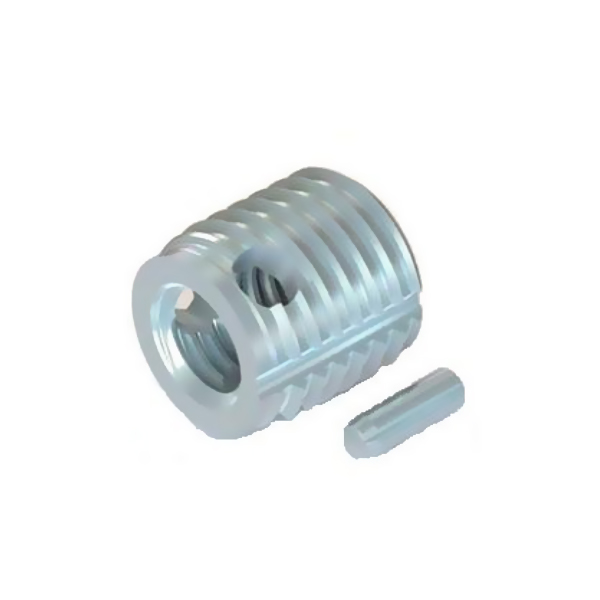
A self-tapping threaded insert typically has:
An internal threaded hole for receiving machine screws or bolts
External cutting edges or flutes that tap threads as the insert is driven in
A knurled, slotted, or cutting design that provides high pull-out resistance
During installation, the insert forms its own mating threads in the host material, locking itself securely in place. This makes it a simple and reliable way to strengthen thread engagement without special tapping operations.
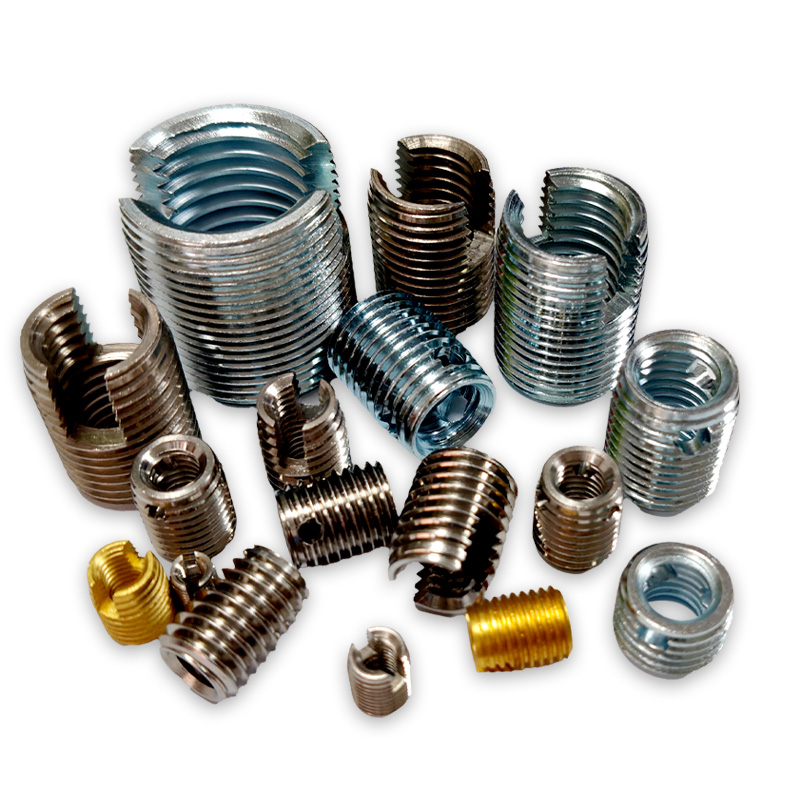
Types of Self-Tapping Threaded Inserts
Common styles include:
1. Cutting Inserts
Use sharp cutting edges to remove material
Ideal for hardwoods, plastics, and thin metals
2. Forming Inserts
Displace material instead of cutting it
Provide stronger thread engagement in plastics
3. Hex-Drive or Torx-Drive Inserts
Allow fast and torque-controlled installation
Useful in automated or production environments
When Should You Use Self-Tapping Threaded Inserts?
You should use self-tapping threaded inserts in the following situations:
1. When the Base Material Is Too Soft for Machine Screws
Examples:
Plastics (ABS, PC, nylon, PP)
Aluminum, magnesium
MDF, plywood, hardwood
Direct tapping in these materials leads to thread stripping. Inserts provide a durable metal thread instead.
2. When You Need High Pull-Out or Torque Strength
Inserts significantly improve:
Pull-out resistance
Torque-out values
Thread wear resistance
This is critical for assemblies that must withstand repeated tightening or vibration.
3. When You Need Repeated Assembly and Disassembly
Soft materials degrade quickly when screws are removed multiple times. Inserts prevent this by offering long-lasting internal threads.
4. When Repairing Stripped Threads
Self-tapping inserts can restore functionality to damaged holes without redesigning or replacing the part.
5. When the Host Material Is Thin
Inserts maximize thread engagement in applications with limited wall thickness.
6. When You Need a High-Quality, Professional Fastening Solution
Industries that frequently use them include:
Electronics enclosures
Automotive components
Aerospace hardware
Furniture fittings
Industrial equipment


 0755-23022676
 Customer Service
 sales03@koster.hk