

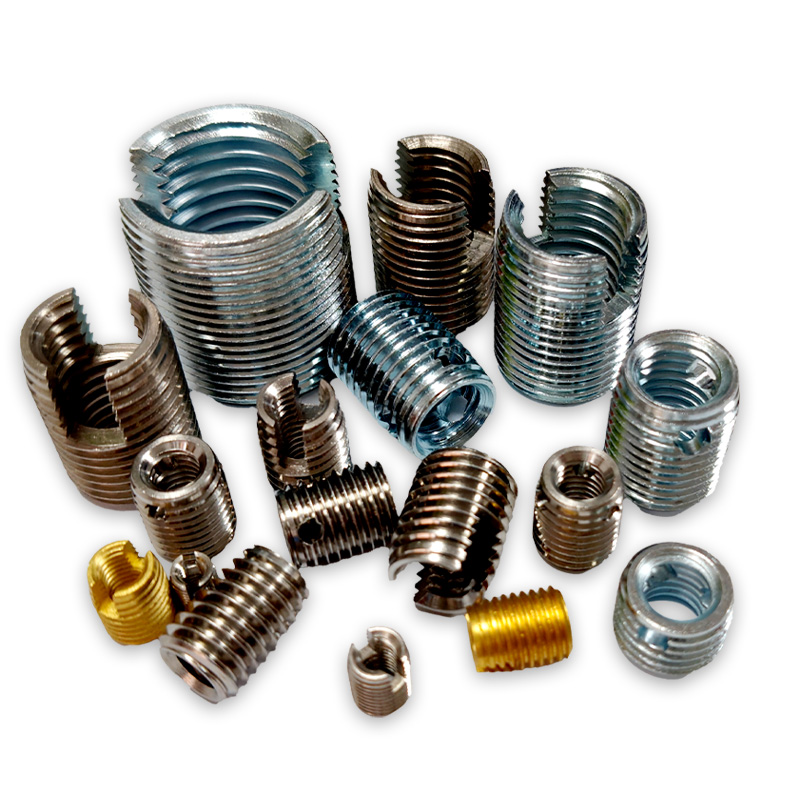
Self-anchoring threaded inserts are fastening components designed to create strong, wear-resistant internal threads in soft or low-strength materials such as plastics, wood, particle board, composites, and soft metals. They are engineered with special external features—such as barbs, knurls, undercuts, or expansion slots—that allow them to anchor themselves mechanically into the host material during installation.
They provide a reliable threaded interface where the base material alone cannot support sufficient torque, pull-out strength, or repeated assembly.
What Exactly Are Self-Anchoring Threaded Inserts?
A self-anchoring insert typically includes:
An internal threaded bore compatible with standard machine screws or bolts
A specially shaped outer surface designed to grip or embed itself into the surrounding material
A design that prevents rotation and pull-out once installed
Depending on the insert style, the anchoring action may involve:
Cutting into the host material
Expanding outward to create radial pressure
Embedding knurls or ridges into the material
Locking behind an undercut or displaced material
This engineered anchoring mechanism is what distinguishes self-anchoring inserts from basic press-fit or molded-in inserts.
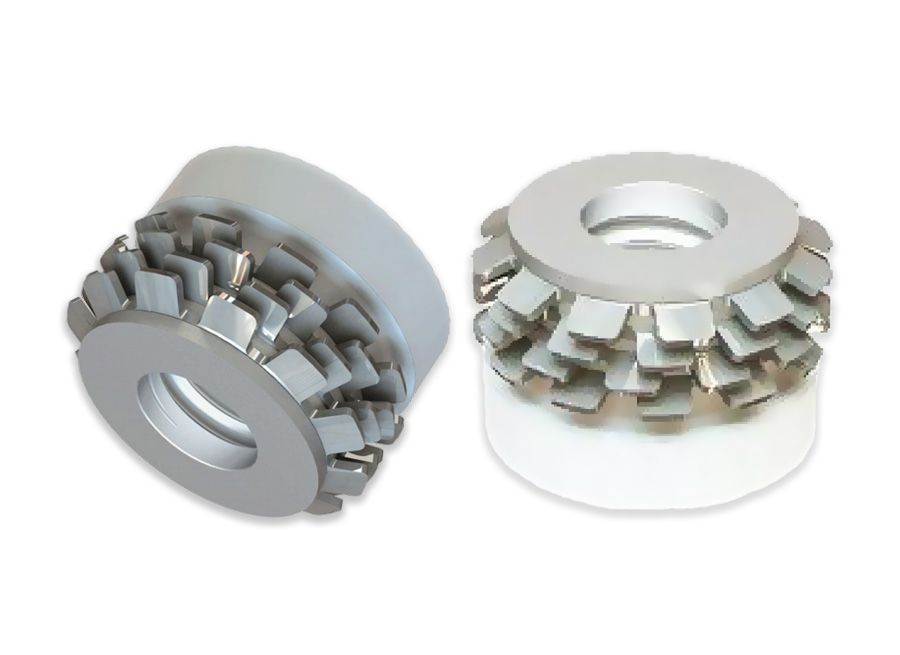
How Do Self-Anchoring Inserts Securely Hold in Soft Materials?
Self-anchoring inserts use several mechanical principles to create strong holding power. Below are the key mechanisms.
1. Mechanical Keying Through Knurls, Barbs, and Ridges
The outer surfaces of these inserts often feature:
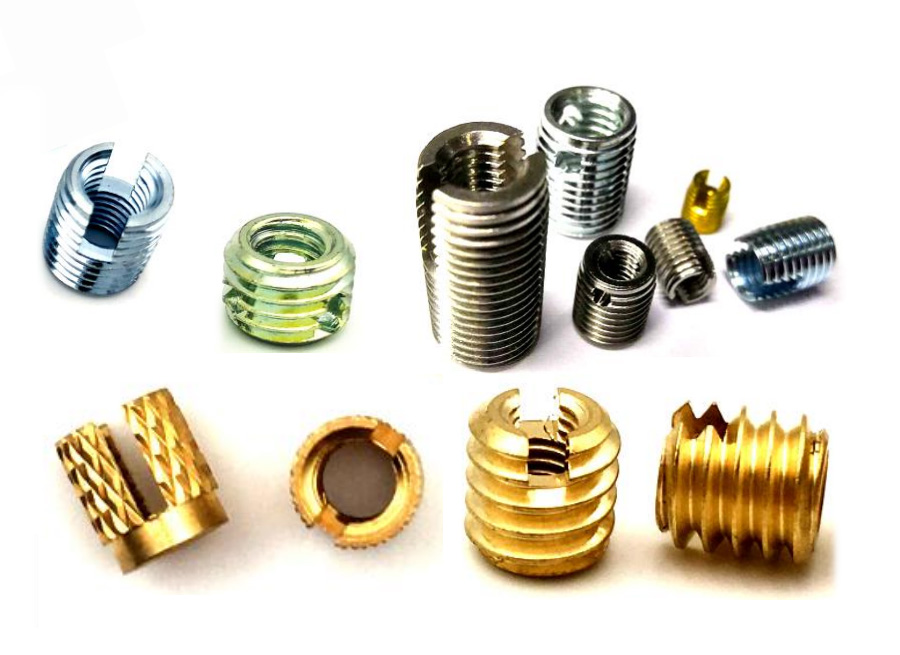
Straight knurls
Diamond knurls
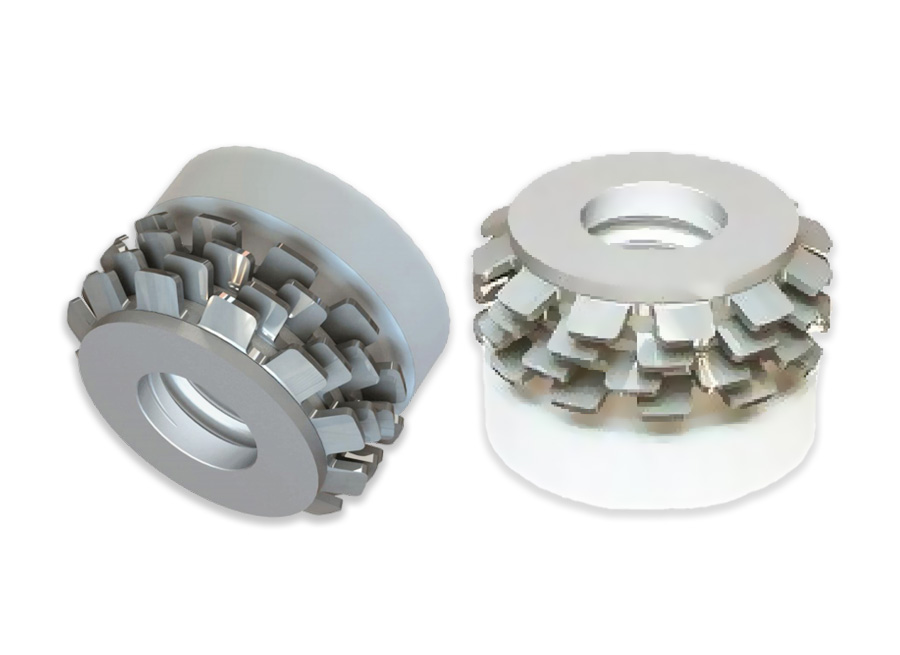
Barbs or serrations
Grip rings
When the insert is pressed or driven into the material, these features bite into the host and create interlocking contact. This prevents:
Pull-out under axial loads
Rotation during tightening
Loosening from vibration
Mechanical keying is especially effective in plastics and wood.
2. Expansion-Based Anchoring
Some self-anchoring inserts include slots or internal tapers that expand outward when a screw is inserted. This produces:
Radial pressure against the surrounding material
Strong friction-based grip
Increased pull-out resistance
Because the insert expands only during screw engagement, installation is simple and effective.
3. Material Displacement and Undercut Locking
Certain inserts displace material as they enter, creating a local undercut or cavity. Once the material springs back or compresses around the insert, it becomes locked in place.
This effect is particularly useful in:
Thermoplastics that deform slightly under pressure
Medium-density fiberboard or composite materials
Soft metals where local plastic deformation improves anchoring
The displaced material forms a natural “shoulder” to retain the insert.
4. Larger Load-Bearing Surface Compared to Direct Screwing
Soft materials usually offer weak, small thread engagement. A self-anchoring insert has:
Larger external surface area
Deeper engagement into the material
Stronger load distribution
This dramatically increases:
Torque-out strength
Pull-out resistance
Long-term durability under repeated use
In short: the insert spreads the load across more material, preventing stripping and fatigue.
5. Hardened Metal Threads Eliminate Wear and Thread Stripping
The internal thread of the insert—typically made of brass, steel, or stainless steel—can withstand:
Higher torque
Repeated assembly/disassembly
Long-term mechanical wear
Meanwhile, the host material is relieved of the direct load, preventing:
Thread deformation
Cracking
Loosening
Thus, the strength of the joint comes from the insert, not the soft material.
Where Are Self-Anchoring Threaded Inserts Commonly Used?
Because of their dependable anchoring and installation simplicity, they are widely used in:
Consumer electronics (plastic housings)
Furniture and cabinetry (wood and MDF)
Automotive interior components
3D-printed parts
Appliances and small machinery
Aerospace interior components (lightweight materials)
Essentially, any application requiring durable threads in soft or fragile materials benefits from self-anchoring inserts.
Key Takeaway
Self-anchoring threaded inserts are engineered to create strong, reliable metal threads in materials that cannot support direct screwing.
They hold securely because they:
Mechanically key into the material
Expand or compress to generate radial locking force
Displace material to form undercut interlocks
Distribute load across a larger surface area
Provide hardened internal threads that resist wear
These mechanisms work together to ensure high pull-out strength, torque resistance, and long-term durability even in very soft substrates.


 0755-23022676
 Customer Service
 sales03@koster.hk